Could Moving to Tucson Actually Make You Healthier?
With over 330 days of sunshine a year, Tucson isn’t just a place for stunning sunsets and mountain views. Our sunshine may actually change your biology, improving your mood, sleep, immune function, and even heart health.
If you’ve ever wondered why so many people relocate to Southern Arizona for the climate, the answer might go deeper than comfort. Let’s talk about the science of sunshine — and why living in Tucson could be one of the healthiest choices you ever make.
(Quick note: I’m not a healthcare professional. The information below comes from general scientific research and is not medical advice. Always consult your doctor for personal medical concerns.)
The Science of Sunshine and Vitamin D
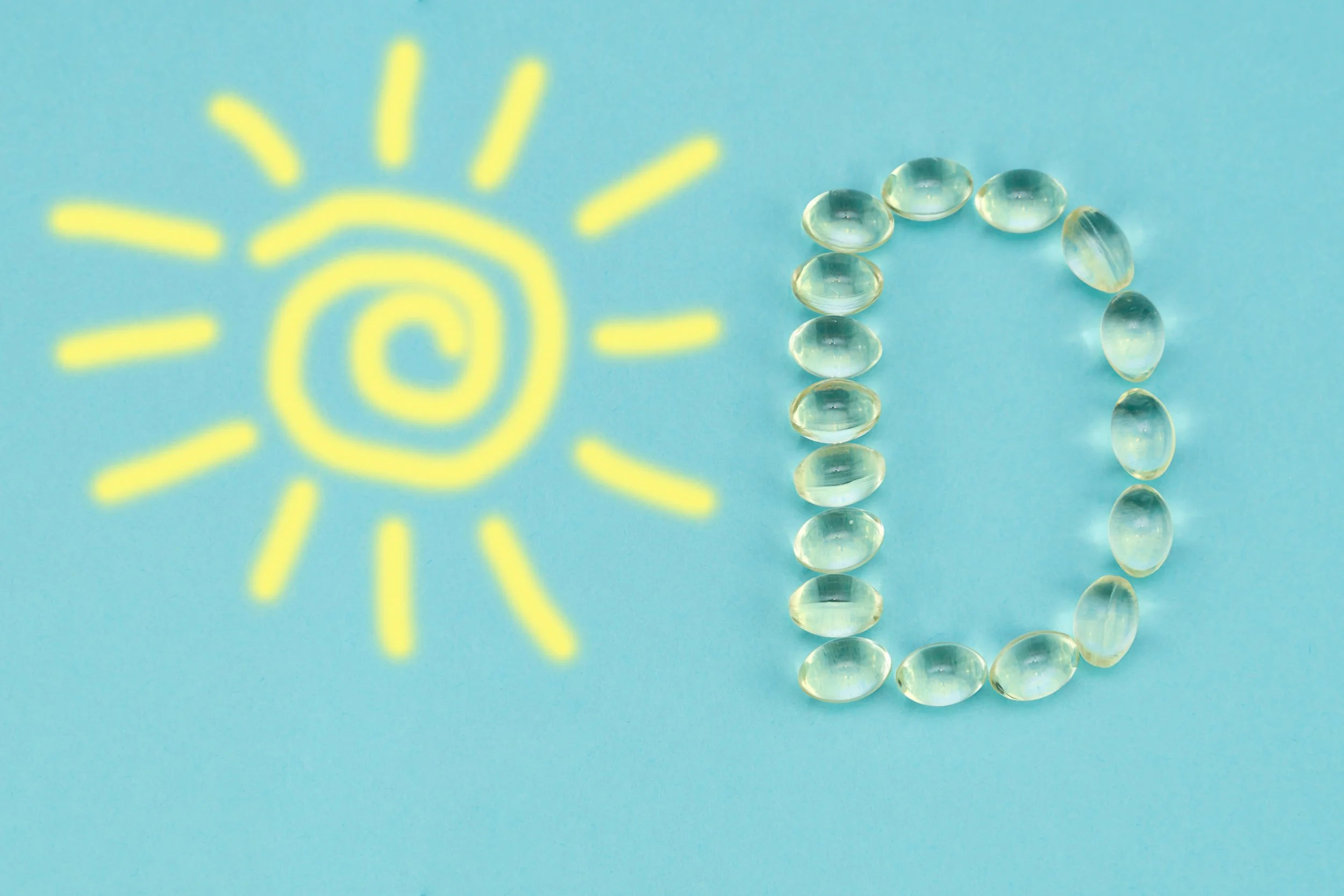
When UVB rays from the sun hit your skin, your body begins an incredible chain reaction:
Cholesterol in your skin converts into vitamin D3
Your liver and kidneys process it
It becomes the active form doctors measure in blood tests
Why does that matter?
Vitamin D supports:
Bone health
Immune function
Energy levels
Inflammation regulation
Low vitamin D — which is common in cloudy northern climates — has been linked to fatigue, weakened immunity, and increased health risks.
Here in Tucson, spending regular time outdoors makes it much easier to maintain healthy vitamin D levels naturally. You don’t have to “try” as hard, the sun does a lot of the work.
Sunshine, Mood, and Serotonin
Sunlight doesn’t just affect your skin. It affects your brain.
Exposure to bright light increases serotonin, the neurotransmitter that helps regulate:
Mood
Focus
Energy
That’s one reason people in cities with long gray winters, like Seattle or Chicago, often struggle with seasonal affective disorder (SAD) or “winter blues.” They simply aren’t getting enough bright light exposure.
When newcomers move to Tucson, many tell me they feel better within weeks. It’s not just psychological, more sunlight truly can support higher serotonin levels and a brighter mood.
And honestly? That daily dose of blue sky does something to your mindset.
Morning Light and Better Sleep
Sunlight also regulates your circadian rhythm — your internal clock.
Bright morning light tells your brain:
“It’s time to be awake.”
That signal helps your body release melatonin later in the evening, improving sleep quality.
Research shows people who get morning light:
Fall asleep more easily
Sleep deeper
Experience more consistent sleep cycles
Tucson’s crystal-clear mornings make this simple. Step outside with your coffee. Take a short walk within an hour or two of waking up. That one habit alone can transform sleep patterns.
Sunshine and Heart Health
Emerging research suggests sunlight may also benefit cardiovascular health.
When UVA rays hit your skin, they can release nitric oxide, a compound that relaxes blood vessels and helps lower blood pressure. Lower blood pressure reduces overall cardiovascular risk.
So sunshine may:
Lift your mood
Improve your sleep
Support heart health
That’s a powerful combination.
Why Tucson Shines (Literally)
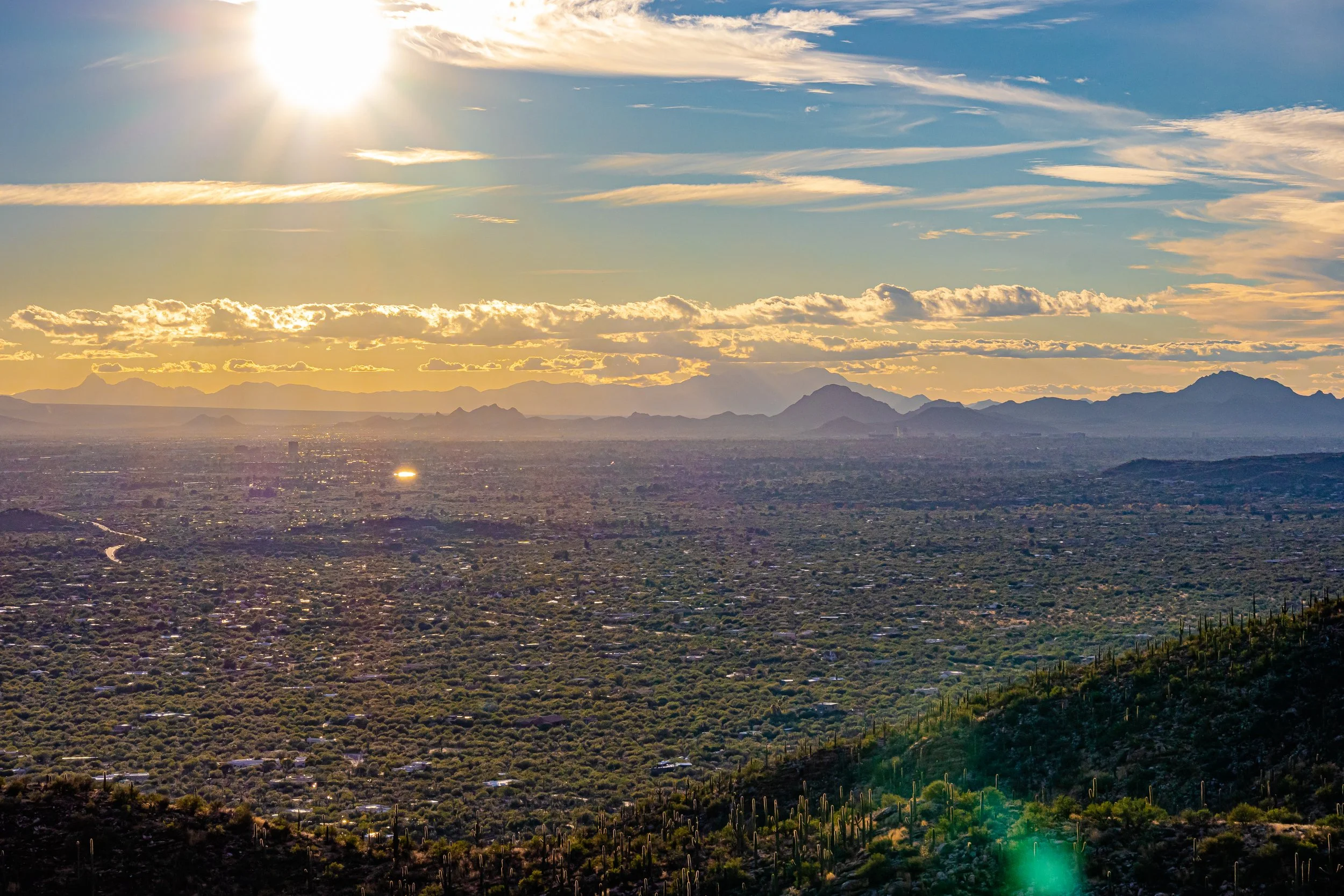
Plenty of places get sunshine. But Tucson offers something unique: consistency.
Unlike regions with long gray winters, here you can build healthy light habits year-round without interruption.
We are consistently ranked among the sunniest metro areas in the United States. That reliability allows you to create simple daily routines that support both mental and physical health.
It’s not just about occasional sunshine, it’s about predictable light.
Best Times for Healthy Sun Exposure
Think of it as timing, not tanning.
Morning Light (10–30 Minutes)
Within the first couple of hours after waking.
Best for:
Mood regulation
Circadian rhythm alignment
Sleep quality
Midday Light (Brief Exposure)
This is when vitamin D production is most efficient — but UV levels are strongest, especially in summer. Keep it short and be mindful.
Evening Light Strategy
As the sun sets:
Dim indoor lighting
Avoid blue-heavy screens before bed
Allow your body to naturally wind down
Morning light for your brain.
Midday light for vitamin D.
Gentle evenings for rest.
Sun Safety in Arizona
Arizona has some of the highest UV levels in the country, so protection is essential.
Dermatologists recommend:
Broad-spectrum sunscreen (SPF 30+)
Apply 15 minutes before sun exposure
Reapply every 2 hours if outside
Wide-brimmed hats
Sunglasses
Lightweight UPF clothing
Can you get too much sun here? Absolutely.
That’s why short, regular doses — especially in the morning — are ideal. You can gain benefits while minimizing risk.
So… Why Tucson?

When people ask me why so many choose Tucson, I often say:
It’s not just the homes.
It’s not just the desert beauty.
It’s not just the mountain views.
Our sunshine helps you:
Feel better
Sleep better
Live healthier
And as a fourth-generation Tucsonan, I’ve seen firsthand how this climate shapes lifestyle, from morning hikes to outdoor living spaces designed to maximize natural light.
If you’re thinking about relocating and want to explore neighborhoods, communities, or homes that let you truly enjoy the Tucson sunshine lifestyle, I’d love to help.
If you’re ready to bring more light into your life, in every sense of the word, let’s talk!